What non-medical hospice support means (and why hospice usually isn't enough)
TL;DR:
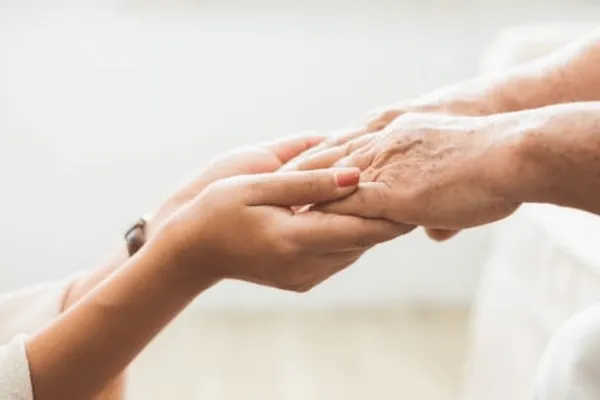
Non-medical hospice support means having someone whose only job is being present with you.
No caseload pulling them to four other houses today.
No charting eating the visit.
Hospice nurses do real medical work, but their time is capped by contracts and caseloads most families never see.
That's the gap. A non-medical hospice support role — like mine — exists to sit in it: answering the questions nobody else has time for, making sure your family understands what's happening.
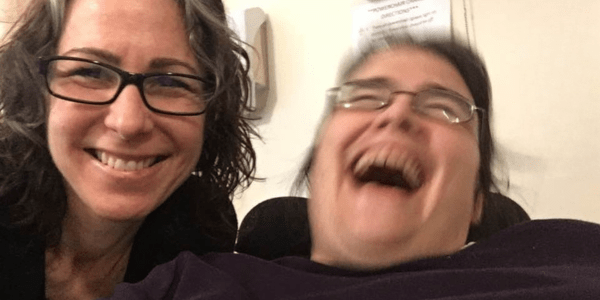
My sister was dying, and nobody told me how close she was
That's not a knock on her hospice team. They were kind. They did their actual jobs well. But hospice is medical care — symptom management, medication, a caseload that doesn't leave room for two hours of plain conversation.
What we needed was non-medical hospice support, someone whose only job was explaining to us what was actually happening. Nobody did.
As a result, I wasn't in the room when my sister died, because no one told me how close she actually was. The only signal I got was a cart of coffee and snacks, wheeled in that morning with no explanation. I learned afterward that's what they do when they expect someone to die soon. I wish someone had told me.
That's the gap this kind of support works to close. Not a replacement for hospice... a separate role, running alongside it. The medical side gets handled by people trained and licensed for it.
The human side — the fear, the questions, the family standing in a room with no idea what they're looking at — gets handled by someone like me.
What non-medical hospice support actually means
Non-medical hospice support is help with everything hospice doesn't cover:
Education about what's happening in the body
Presence during long hours nobody else can fill
A steady person to translate confusing information into something your family can actually use.
It's not medical care. It's not legal advice. It's the human role nobody officially assigned to anyone — until someone does.
I've written a longer post on what a death doula actually is if you want the full picture across every stage of the work. But here's the short version that matters specifically once hospice is already involved: I'm the person with the two free hours nobody else on the team has.
Hospice is doing its job... it's just not built for this
Here's the thing. Hospice nurses aren't choosing to rush.
Hospice case manager caseloads typically run between 10 and 25 patients per nurse, and once that climbs past the low twenties, the data is blunt about what happens next: visit frequency drops, and patient satisfaction drops with it.
A typical visit runs somewhere around 30-45 minutes, split between an actual clinical assessment and the documentation required right after.
Caseloads in the 12 to 18 range are considered manageable. Past that, something gives.
There's no villain in this story. There's a system built around clinical metrics, staffed by people doing real work inside a structure that was never designed to also answer "is this normal" at nine at night.
So when your dad asks the hospice nurse what those breathing changes mean, and she gives him an honest answer but then has to leave for her next patient... that's not her failing him. That's the job being smaller than the moment actually requires.
The gap no one talks about: Who's answering the questions?
Information is power.
Not in a motivational-poster way. In a specific, practical way — the kind that decides whether a family gets an actual goodbye, or finds out afterward that the goodbye already happened and they missed it because nobody told them it was happening.
I didn't understand how close my sister actually was to dying. Not because anyone lied to me.
Nobody had the job of translating what we were seeing into something we could act on.
The doctors spoke in clinical terms. The hospice team had a full caseload and was bound by contracts and roles that cap how much time anyone can spend with us. And nowhere in there was a person whose job was making sure we understood — connecting the human side of what's happening to the practical reality of what to do next.
I built my practice around exactly that gap.
And it's not only for the dying person. It's for the people standing in the room trying to figure out if this is the last real conversation they're going to get, without anyone telling them so.
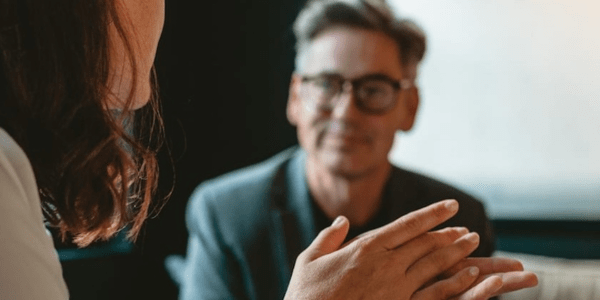
What I actually do as non-medical hospice support
Practically, this looks like:
Education on what's actually happening to the body during the dying process
Stepping in when family conflict flares up because everyone's exhausted and scared
Translating between your family and the medical team when the language gets too clinical to follow
Being present for vigil planning as the time gets close
None of that requires a medical license, because none of it is medical care. What it requires is time, and the willingness to sit in a hard moment without rushing off to the next house. The full breakdown of what's included is here.
I'm also reachable by phone in a way a hospice nurse carrying a full caseload usually isn't. That's not a strike against her. It's just a different role, with different math.
Why understanding what's happening changes the outcome
Families who actually understand the disease process get a better experience at the end. A study of caregivers for people with advanced dementia found that limited understanding of the disease's natural course was linked to more burdensome medical interventions and less comfort for the patient at the time of death.
Understanding isn't a nice-to-have. It changes what actually happens in the room.
There's a real cost to the instinct to protect people from hard information, too. Research on end-of-life conversations has found that shielding patients and families to preserve hope can backfire, increasing stress for everyone over the long run instead of reducing it.
Avoidance feels kind in the moment. It rarely is, later.
So when I sit with a family and explain, in plain language, what the next few days probably look like... I'm not being morbid. I'm giving them the only thing that actually helps: the truth, early enough to use it.
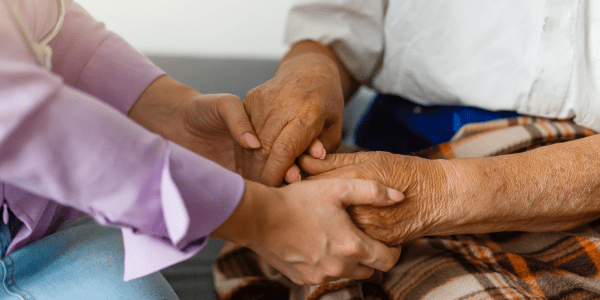
How this differs from (and works alongside) hospice
Hospice nurses handle the clinical side — medication, pain control, symptom management, coordination with your doctor.
I handle what's outside that lane: family communication, vigil planning, and turning clinical updates into something you can actually act on.
Cleveland Clinic describes the relationship well: doulas and hospice teams are increasingly working together rather than in competition, each covering ground the other wasn't built for.
Timing is the other real difference. Hospice generally starts once a doctor estimates six months or less to live. I can start months or years earlier, which matters more than people expect, because by the time hospice gets involved, a lot of the planning conversations that needed to happen calmly end up happening in a crisis instead.
One industry write-up frames the split well: clinical staff stabilize the body, while a doula's presence shapes how everyone in the room experiences the rest of it — the choices, the pacing, the relationships under strain. Both things matter. Neither one replaces the other.
What this isn't
I don't provide medical advice or medical care
I don't give legal or financial advice
I'm not a notary
I don't administer medication, manage symptoms, or perform any kind of hands-on nursing care — that's hospice's job, and they're trained and licensed for it in a way I'm not
I also won't fill out your forms or directives for you
My job is making sure you understand what you're signing and why, not doing it on your behalf.
I am is the person in the room whose entire focus is you and your family.
Education. Presence. Translation. Advocacy for the dying person and for the people who love them, because in my experience, both groups get left out of the conversation in different ways.
Where this leaves you
So that's non-medical hospice support, in plain terms: someone whose only job is presence, plain-language education, and being the one who translates what's actually happening. It doesn't replace your medical team. It fills the part of the job nobody assigned to them.
If you're watching a parent decline, or you already know you're the one who'll get the call when something changes, you don't have to figure this out the way my family did. Book a free Readiness Review Call and we'll walk through the five things you actually need to understand and have in place before you're in crisis mode. If a conversation feels like too big a first step, start smaller with the free email course, What a 'Good Death' Actually Looks Like (and How to Design Yours). Either way. Don't wait for the gap to find you the way it found us.
Frequently asked questions
What does non-medical hospice support actually mean?
It means support focused on the emotional, practical, and educational side of dying rather than the clinical side. A non-medical hospice support role doesn't manage medication or symptoms. It handles the conversations, the family dynamics, and the plain-language education that often gets squeezed out by clinical caseloads.
Can I have a death doula and hospice at the same time?
Yes, and it's common. Most families who use hospice and doula support together report a better experience than those who relied on hospice alone. Hospice handles medication and symptom management. I handle the time, presence, and plain-language education a full clinical caseload doesn't leave room for.
How is this different from a hospice social worker or chaplain?
Hospice social workers and chaplains are valuable, but they're still part of the hospice team, with their own caseloads and scheduling limits. I'm not capped by a caseload the way they are. I can spend the two hours a chaplain wishes she had, because that's the entire job.
Does insurance cover non-medical hospice support?
No. Hospice is typically covered by Medicare, Medicaid, and most private insurance, but doula support is private-pay and rarely covered. A handful of long-term care policies reimburse part of the cost, and a few hospices are starting to fold doula support into their own offerings at no extra charge, but that's still the exception.
When should I bring in non-medical hospice support?
Earlier than feels necessary. Support like this can start the moment you get a serious diagnosis, long before hospice would even be an option, and families who start early tend to have calmer, more informed final weeks than those who call once everything is already urgent. If you're not sure it's time yet, that's exactly what a free Readiness Review Call is for.