ABOUT MINNEAPOLIS DEATH DOULA BARBARA GATES
I believe how we die matters
as much as how we live
Most people spend decades building a good life — with intention, with care,
with love for the people around them. And then, when it comes to the end of
that life, they leave it entirely to chance.
Not because they don't care. Because nobody showed them how to do this part. Because the systems that are supposed to help are fragmented and hard to
navigate. Because the whole thing feels like something to deal with later.
My job is to make sure later doesn't cost more than it has to.
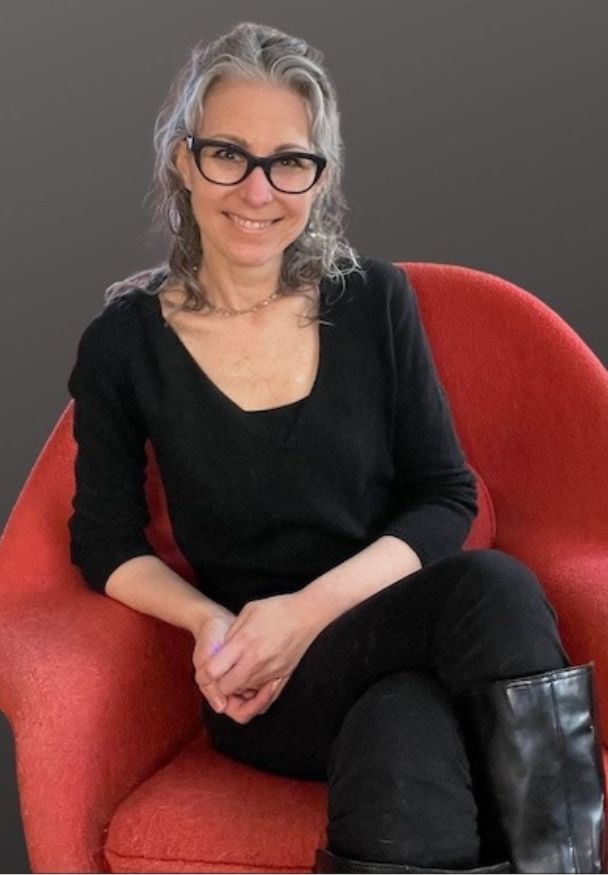
I'm Barbara Gates, a certified end-of-life doula serving clients in Minneapolis and, virtually, anywhere else.
ABOUT BARB
I believe how we die matters as much as how we live
Most people spend decades building a good life — with intention, with care,
with love for the people around them. And then, when it comes to the end of
that life, they leave it entirely to chance.
Not because they don't care. Because nobody showed them how to do this part. Because the systems that are supposed to help are fragmented and hard to
navigate. Because the whole thing feels like something to deal with later.
My job is to make sure later doesn't cost more than it has to.
Barb's story
I was always going to end up here. I just didn't know it yet.
About 15 years ago, I witnessed my first death — and had my first real experience with death work. What struck me wasn't the medical part. It was the other part. The way hospice came by as a calm presence, explaining what was happening and answering questions. The way having support during death made something terrifying feel a little more manageable.
I turned to my husband and said: "I want that to be my job."
The problem was, death doula wasn't a profession yet. And since I had zero nursing experience and zero desire for any, I figured that door was closed.
But I didn't forget. My sister was diagnosed with a fatal brain disorder as a teenager. Over the next two decades, I watched her lose everything — her abilities, her independence, eventually her life at 39 — while my mother navigated one of the most complex healthcare systems imaginable, largely alone. No advocates. No roadmap. No one translating what was happening into something a family could actually understand and act on.
It was harder than it needed to be. Much harder.
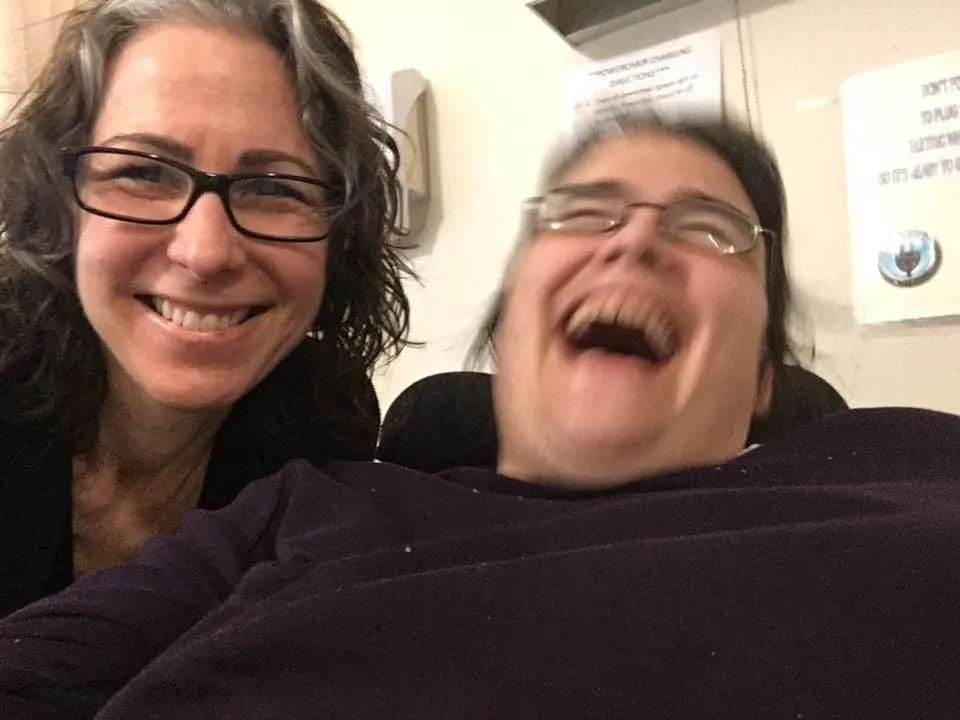
I kept thinking about everyone out there doing this without what we had — without the grit, the time, the combined determination of two tenacious women who still barely managed to keep up. I kept thinking about all the families who were losing precious hours with their loved ones because they didn't know what they didn't know. That stayed with me.
Years later, I heard Anderson Cooper talk about working with a death doula — how much the experience had affected him and how he'd considered leaving television to do the work himself. I googled it. There it was — exactly what I'd wanted to do 15 years earlier, now a recognized profession.
I got certified. And then I got to work.
Barb's story
I was always going to end up here. I just didn't know it yet.
About 15 years ago, I witnessed my first death — and had my first real experience with death work. What struck me wasn't the medical part. It was the other part. The way hospice came by as a calm presence, explaining what was happening and answering questions. The way having support during death made something terrifying feel a little more manageable.
I turned to my husband and said: "I want that to be my job."
The problem was, death doula wasn't a profession yet. And since I had zero nursing experience and zero desire for any, I figured that door was closed.
But I didn't forget. My sister was diagnosed with a fatal brain disorder as a teenager. Over the next two decades, I watched her lose everything — her abilities, her independence, eventually her life at 39 — while my mother navigated one of the most complex healthcare systems imaginable, largely alone. No advocates. No roadmap. No one translating what was happening into something a family could actually understand and act on.
It was harder than it needed to be. Much harder.
I kept thinking about everyone out there doing this without what we had — without the time and combined determination of two tenacious women who still barely managed to keep up. I kept thinking about all the families who were losing precious hours with their loved ones because they didn't know what they didn't know. That stayed with me.
Years later, I heard Anderson Cooper talk about working with a death doula — about how much the experience had affected him, how he'd considered leaving television to do the work himself. I googled it. There it was — exactly what I'd wanted to do 15 years earlier, now a recognized profession.
I got certified. And then I got to work.
What I bring
Credentials — and both professional and personal experience.
Certifications
Certified End-of-Life Doula
Certified Advance Care Planner
Certified Cancer Doula and Patient Advocate
25 years of professional experience
in storytelling, communication, and helping people translate complex, high-stakes information into something clear and actionable.
Personal experience
navigating a complex, long-term family medical situation with no roadmap — and the particular understanding that comes from having lived the exact thing my clients are facing, not just studied it.
I offer the combination of the professional knowledge, lived experience, and communication skills that make it possible to sit with someone in the middle of something hard and help them find their way.
I don't talk down to you. I don't make this more complicated than it needs to be. And I don't pretend it's about paperwork — because it isn't.
WHAT I DO / HOW WE WORK TOGETHER
Three ways to work together — one place to start.
Advance Care Planning
is where almost everyone should begin. A clear, values-based plan that documents your wishes, executes your directives correctly, and makes sure the people you love will never have to guess. Step by step, one session at a time.
End-of-Life Support
is for when someone receives a terminal diagnosis and you need someone beside you — not a nurse, not an attorney, but a steady, knowledgeable, deeply human presence for the person who is dying and for the people surrounding them.
Life and Legacy Projects
capture the full story of a life — in whatever form brings it most alive (while also most natural for the subject) — so the people who love you can know you not just as you were at the end, but as you truly were, completely and forever.
Not sure where you fit? That's what the Readiness Review Call is for. Free, 20 minutes, and the right place to start regardless of where you are.
FAQ
Frequently asked questions
What exactly is a death doula?
A death doula (also called an end-of-life doula) is a non-medical professional trained to support dying individuals and their families through the end-of-life process — emotionally, practically, educationally, and sometimes spiritually. Think of me as a knowledgeable, experienced guide who helps everyone involved feel less lost and more supported. I'm not a nurse, an attorney, or a financial advisor — I'm the person who sits in the gap between all of those and makes sure you understand what's happening and what your options actually are.
If you want the longer version, I've laid it out in this complete guide to what a death doula does.
How is a death doula different from hospice?
Hospice is an essential medical service — and if you or someone you love needs it, please contact them as soon as possible. But hospice has limits (thanks, Medicare). I complement hospice by providing more time, more individualized attention, more advocacy, and more availability. We're not either/or. We're better together.
Do I have to be facing a terminal illness to work with you?
Absolutely not. In fact, the most powerful thing you can do is plan before you need it. Advance care planning is for anyone who has people they love and wishes they'd like honored. The earlier you start, the better protected everyone is.
Is everything confidential?
100%. Everything shared in our work together stays private and confidential — full stop.
Do you only work with people in Minnesota?
Nope. I work both virtually and in-person, which means I can work with you from anywhere. No commutes, no scheduling gymnastics. Just real support when and where you need it.
Not ready to book a call? Start here.
FREE 5-DAY EMAIL COURSE
What a 'good death' looks like (+ how to design yours)
Most people have never thought about what a good death actually means to them — because nobody's ever asked. This free course changes that. In five short daily emails, you'll get a real framework for thinking about your end of life: what matters, what a good death can look like when it's been planned for, and how to start designing yours.
Free. Five minutes a day. It might be the most useful thing you do this week.
You don't have to figure this out alone
The Readiness Review Call is free, it's 20 minutes, and it's where "I need to deal with this" and "I don't know where to start" begin to ease.
Virtual sessions — work with me from anywhere.
Minneapolis, MN-based death doula and advance care planner. Personalized end-of-life solutions for busy professionals and families.
COMPANY
LEGAL
FOLLOW US


book a free call
© Copyright 2026. Death Doula Barb. All Rights Reserved.