End-of-Life Support
You shouldn't have to figure this out alone. You don't have to.
When a terminal diagnosis changes everything, I step in as your death doula — a steady, knowledgeable, deeply human presence — for the person who is dying and for every person surrounding them — so the time that remains is spent on what matters most.
Something has shifted
Maybe it's a diagnosis that arrived and changed the landscape overnight. Maybe it's a decline that has been happening slowly, and now suddenly it isn't slow anymore. Maybe hospice has entered the picture and you're realizing — for the first time — how much space they don't cover. (I've written more on what non-medical hospice support actually means if you want the fuller picture.) Maybe you're the one in the waiting room who keeps nodding when the doctor speaks, going home, and quietly admitting you don't fully understand what was just said.
Whatever brought you here, you're navigating something that the healthcare system was not designed to help you navigate. The medical team does their piece. Hospice does their piece. And in the gap between all of those pieces — the questions nobody answered, the conversations nobody initiated, the decisions nobody prepared you for — is where families spend some of the hardest hours of their lives.
That gap is exactly where I work.
Interested in this service?
Reach out about End-of-Life Support. You were never meant to do this alone.
what end-of-life support is
A guide for the space
the system doesn't fill
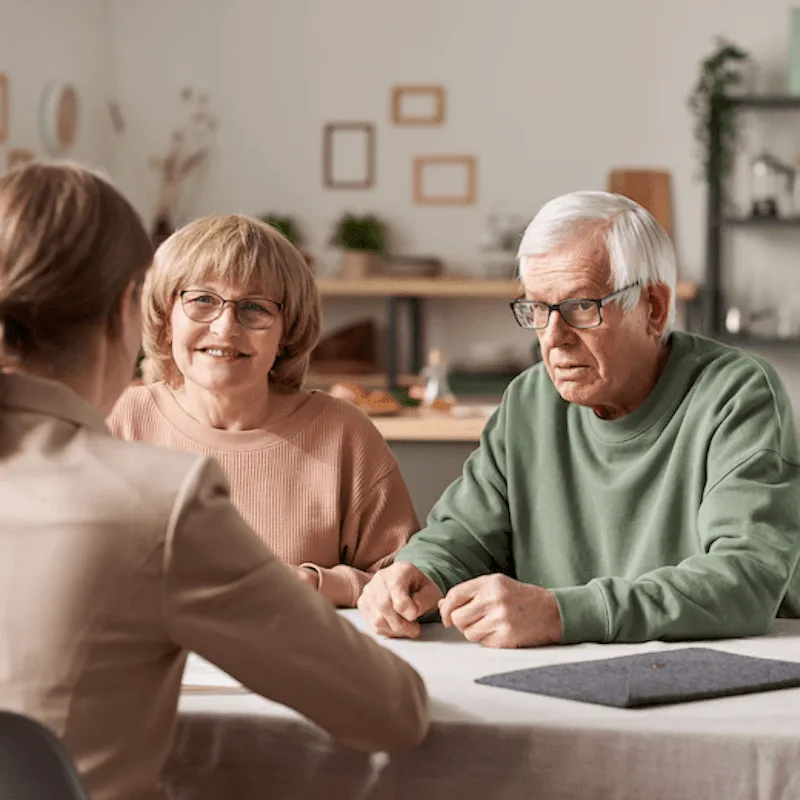
End-of-Life Support is flexible, personalized, deeply human doula support for families navigating active decline or terminal illness — for both the person who is dying and the people who love them.
I step in as the steady presence the conventional care system doesn't provide. Not a nurse. Not an attorney. Not a therapist. Something different — someone who sees the whole picture, speaks every language, and makes sure nobody falls through the gaps that every system inevitably leaves.
I translate between the medical team and the family. I explain what the dying process actually looks like — in plain, honest terms — so you're not left Googling symptoms at 2am trying to understand what's happening. I advocate for your loved one's wishes when those wishes need a voice. I help the family hold together when holding together feels nearly impossible.
And I show up. Not as a checklist or a protocol. As a person.
what this looks like in practice
Every situation is different... here's what support can include
Education on the dying process
What is actually happening, medically and physically, in plain language. What the medications are doing and why. What the changes in breathing mean. What the death rattle is, and whether it causes pain. What to expect from hospice — and what hospice won't tell you unless you ask. The family that understands what is happening can stop trying to figure it out and start being present. That shift is one of the most important things this support makes possible.
Translation and advocacy
Between the hospice nurse and the frightened spouse. Between the doctor's clinical language and the family's human questions. Between what was documented in the advance care plan and what is actually being honored in real time. I ask the questions the family doesn't know to ask, push back when pushing back is warranted, and make sure the person at the center of all of this is receiving care that genuinely reflects who they are.
Family dynamics support
Terminal illness surfaces everything. Old tensions, competing opinions about what should be done, family members who handle crisis differently — all of it arrives at once, in the hardest possible moment. I help families navigate the conflict and the complexity without losing sight of what matters most.
Vigil planning
What the final hours and days can look like, and how to make them feel intentional rather than something that simply happens. Who should be present. What the environment should feel like. How to create a passage that reflects the person at the center of it.
Practical guidance
Obituary and eulogy assistance. Celebration of life planning — work that can also grow into a full Life and Legacy Project if there's a story worth capturing more fully. The logistical pieces that need to happen and that nobody has the bandwidth to think clearly about when they're also trying to grieve.
Grief support and resources
After the death, I don't disappear. Grief support and resources are available for the family in the weeks that follow.

why barb does this work
This service was born from a personal experience I have not forgotten
When my sister died, I wasn't in the room.
Not because I didn't want to be. Because nobody told me honestly where my sister was in the dying process. I was given information that was incomplete — that kept me from understanding that the moment was close, that it was time to be there. After a month by her side, I missed it.
That experience — the specific, irreversible loss of not being present because nobody told me the truth — is the reason this service exists. It is the founding wound of everything I do in this space.
Nobody who works with me will miss the moment because nobody told them honestly what was happening. Nobody will stand in a corridor being given incomplete information while their loved one is hours from death. Nobody will be left in the dark about where their person is in the process.
I tell you the truth. Clearly, compassionately, and in plain language that lets you make the decision that matters most: whether to stay, whether to call someone, whether to be there in the way that only being there in the right moment allows.
That promise is personal. And it is the most important thing I bring to this work.
If you've worked with ME on advance care planning
The relationship doesn't end with the planning
If you've completed advance care planning work with me, I already know your situation... That continuity — not having to explain everything to someone new in the middle of a crisis — is one of the most valuable things I can offer... I hope the time isn't soon. But when it comes — I'll be there.
That continuity — not having to explain everything to someone new in the middle of a crisis — is one of the most valuable things she can offer. When this passage arrives, you're calling someone who already knows you. Someone who can step in immediately, fully informed, and provide the support your family needs without starting from the beginning.
And if you haven't done that planning yet? That's worth doing now, while there's room to think clearly instead of react. A free Readiness Review Call is the easiest place to start.
FAQs
How this works
Structure
End-of-Life Support is provided as a block of hours, allowing the flexibility a situation like this requires. Additional hours can be added as needed.
Availability
More accessible than standard session-based work — extended phone availability during daytime hours, with more flexible response times given the nature of what's happening.
Response time
I understand that this is not a situation that operates on a standard business schedule. I work within the reality of what you're navigating.
Format
Primarily virtual, which means geographic distance is not a barrier. Remote vigil support is also available when in-person isn't possible.
Grief support
Available after the death for the family.
Starting point
Every engagement begins with an intake conversation so I can understand your specific situation and what support will look like.
a note on timing
Earlier is better,
but it's never too late
The families who get the most from End-of-Life Support are the ones who reach out before they're completely overwhelmed — when there's still time to get ahead of what's coming rather than only reacting to it. (If death still feels distant but you know it's coming someday, What a 'Good Death' Actually Looks Like — a free five-day email course — is built for exactly that stage.)
But if you're already in the middle of it — if the situation is urgent and you need support now — that's exactly what this service is for. Reach out. We figure out what's needed and we start from where you are.
There is no wrong time to ask for help with this. There is only now and later. And later has a cost.

You don't have to do this alone
The healthcare system and hospice help how they can. What they don't do is stand beside you — as a person, not a patient — and make sure you understand what's happening, that your wishes are being honored, and that you are okay. That's my job. And I take it seriously.
Virtual sessions available — geographic distance is not a barrier.
Minneapolis, MN-based death doula and advance care planner. Personalized end-of-life solutions for busy professionals and families.
COMPANY
LEGAL
FOLLOW US


book a free call
© Copyright 2026. Death Doula Barb. All Rights Reserved.